
EV Charger Installation in Colorado Springs, CO
Safe, dedicated Level 2 power delivered directly to your home garage.
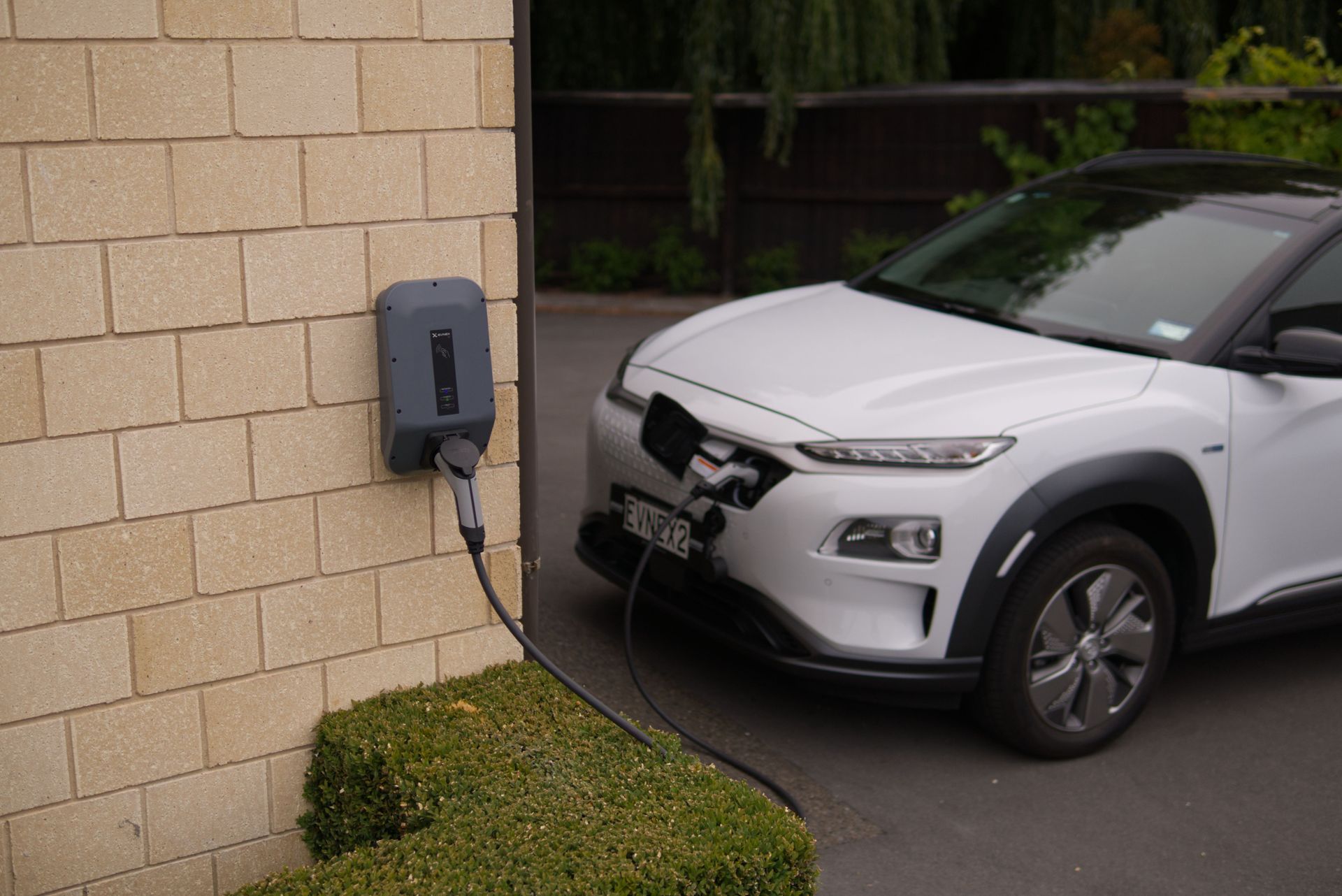
Reliable EV Charger
Installation Solutions
Plug-in hybrids and electric vehicles require significant power to charge efficiently at home. Standard 120V wall outlets take days to restore a full charge, whereas a dedicated 240V Level 2 charging station gets your vehicle fully charged overnight. As certified Master and Journeyman Electricians, we calculate your home’s electrical capacity, install dedicated branch circuits, and mount your charging hardware cleanly without pushing unnecessary panel replacements.
Our EV Charger Services
How We Can Help
Level 2 Station Mounting & Wiring
Dedicated 240V circuit installation with proper breaker capacity to charge your vehicle safely up to seven times faster than a standard wall plug.
Load Calculations & Panel Prep
Detailed load analysis of your main panel to ensure safe continuous current draw without tripping main switches or overheating wires.
SPAN Smart Panel EV Integration
Connecting your EV charger to a SPAN smart panel to dynamically monitor vehicle power draw and schedule charging during off-peak rate hours.
Why Homeowners Trust High Peaks Electric LLC
Honest trade discipline and clear, upfront communication on every job.
Master Electrician
Journeyman Electrician
Fully Insured
Same-Day Service
Customer-Focused
Code-Compliant
Zero Sales Pitches
Common Signs You May Need an EV Charger Upgrade
- Your electric car takes more than 24 hours to reach a full battery charge on standard 120V power.
- The wall outlet or cord handle feels excessively hot to the touch during a charging cycle.
- Your breaker trips repeatedly whenever you plug in your vehicle's factory portable charger.
- You rely on extension cords to reach your driveway, creating severe fire and tripping hazards.
- You recently purchased a second electric vehicle and need simultaneous charging points.
- Your current garage setup lacks proper ground-fault protection near water or concrete floors.
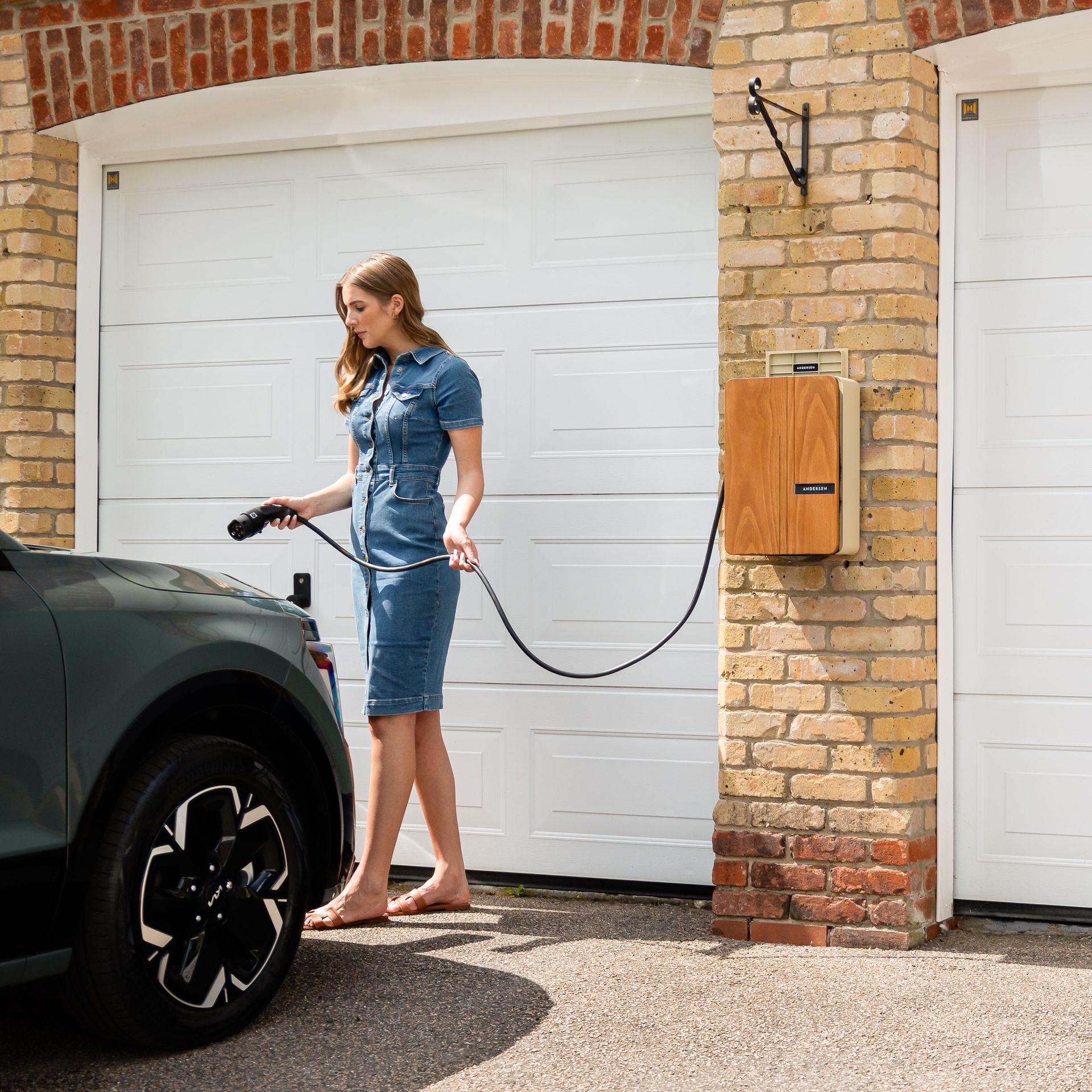
Don't Ignore Electrical Problems
Overloading standard branch circuits with continuous electric vehicle power causes heat buildup inside garage walls long before breakers trip. Installing a dedicated 240V circuit with correctly sized wire gauges ensures your vehicle charges at maximum efficiency while keeping your home safe.
EV Charger FAQs
What size electrical circuit is needed for a Level 2 EV charger?
Most Level 2 chargers require a dedicated 240-volt double-pole breaker rated between 40 and 60 amps, depending on your vehicle's maximum acceptance rate.
Do I need to upgrade my main electrical panel to install an EV charger in Colorado Springs?
Not always; if your main panel has adequate headroom and space for a 240-volt breaker, an upgrade isn't required, though we always perform an accurate load calculation first.
Can an EV charger be installed on an outdoor wall or driveway?
Yes, weatherproof hardwired charging units and NEMA 3R enclosure outlets are designed specifically to operate safely in rain, snow, and outdoor mountain weather.
How long does it take to professionally install a home EV charger?
A standard home installation typically takes between two to four hours once wire runs and panel placements are configured.
What is the difference between hardwiring an EV charger and using a plug-in outlet?
Hardwiring connects the charger directly into your electrical system for higher maximum amp limits and greater weather resistance, while plug-in outlets allow easier unit removal.
Are permits required for home EV charger installations in El Paso County?
Yes, adding a dedicated 240-volt circuit requires an electrical permit and inspection to verify local code compliance and long-term home safety.